
Akron Winter Driving Hazards: Snow, Ice and Injuries
Akron Winter Driving Hazards: How Snow and Ice Can Lead to Serious Injuries
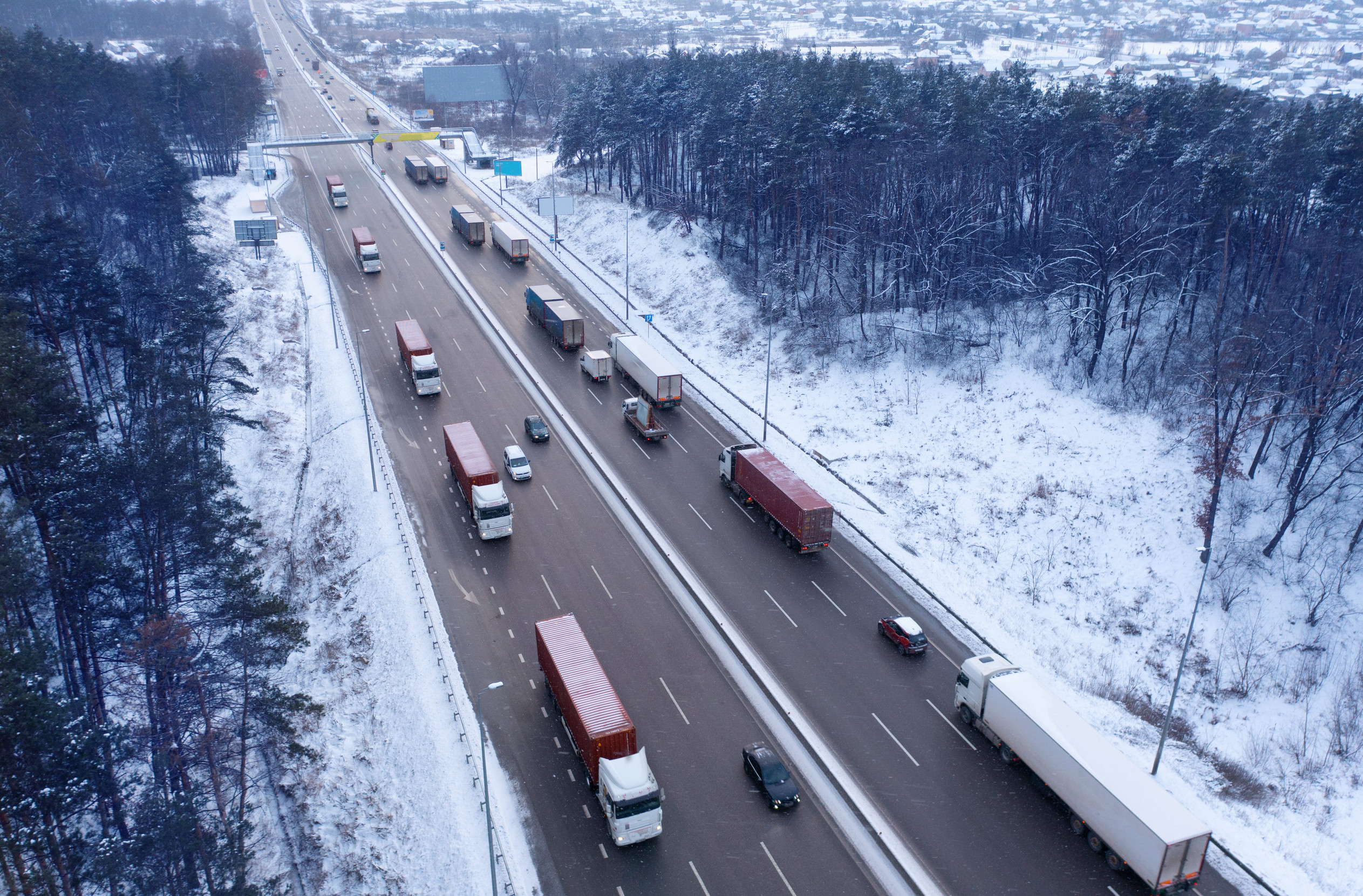
Winter weather in Akron, Ohio, can turn familiar roads into dangerous driving conditions in minutes. Snow-covered highways, freezing rain, black ice, and reduced visibility can make even a short commute challenging.
For drivers throughout Akron, Fairlawn, Copley, Bath, and surrounding Summit County communities, winter driving requires additional caution. Whether you’re navigating I-77, Route 18, or local roads near Fairlawn, slippery pavement can increase the risk of a motor vehicle accident.
During Ohio Winter Safety Awareness Week, November 15–21, 2026, Ohio Healthcare Partners is reminding Northeast Ohio drivers that winter safety involves more than preventing collisions. It also means recognizing potential injuries and knowing when to seek medical attention.
A car accident does not have to involve a major highway pileup to cause neck pain, back injuries, or other physical problems. Even a relatively minor collision can cause symptoms that develop hours or days later.
At Ohio Healthcare Partners in Fairlawn, Ohio, we provide injury evaluations and care for patients experiencing pain and mobility problems following motor vehicle accidents.
Why Are Akron Roads More Dangerous During Winter?
Northeast Ohio winters bring a combination of weather conditions that can affect vehicle traction, visibility, and stopping distances.
In Summit County, drivers may encounter icy bridges, snow-covered intersections, freezing precipitation, and sudden changes in road conditions.
Some of the most common winter driving hazards include:
Black Ice
Black ice is a thin, nearly transparent layer of ice that can form on road surfaces when moisture freezes.
Because the pavement beneath remains visible, drivers may not realize the road is slippery until their vehicle begins to slide.
Bridges, overpasses, shaded roads, and highway ramps can be particularly vulnerable to icy conditions.
Snow-Covered Roads
Accumulating snow can reduce traction and make it difficult to brake, accelerate, or turn safely.
Drivers who fail to adjust their speed or following distance may have difficulty avoiding stopped traffic or unexpected obstacles.
Freezing Rain
Freezing rain can coat roadways with ice, creating extremely slippery driving conditions.
Even roads that appear wet may have hazardous ice accumulation.
Reduced Visibility
Heavy snowfall, blowing snow, fog, and early winter darkness can make it difficult to see other vehicles, traffic signals, and road hazards.
These conditions can increase the risk of rear-end collisions and multi-vehicle accidents.
What Types of Car Accidents Are Common During Snow and Ice?
Winter weather can contribute to several types of motor vehicle collisions.
Rear-end collisions may occur when drivers cannot stop in time on slippery pavement.
Intersection accidents can happen when vehicles slide through stop signs or traffic signals.
Side-impact collisions may occur when a driver loses traction and slides into another lane.
Single-vehicle accidents can happen when a vehicle strikes a guardrail, barrier, or roadside object.
Multi-vehicle crashes may develop when reduced visibility and slippery highways make it difficult for drivers to react to sudden traffic slowdowns.
The direction and force of a collision can influence the types of injuries drivers and passengers experience.
What Injuries Can Snow and Ice-Related Car Accidents Cause?
Winter car accidents can cause whiplash, back injuries, concussions, joint injuries, soft tissue damage, and nerve-related symptoms.
Injury severity depends on several factors, including the type of collision, impact forces, occupant position, and individual health conditions.
1. Whiplash and Neck Injuries
Whiplash occurs when sudden movement of the head and neck strains or injures structures in the cervical spine.
It is commonly associated with rear-end collisions but may also occur during other types of impacts.
Symptoms may include:
- Neck pain and stiffness
- Headaches
- Shoulder discomfort
- Muscle spasms
- Difficulty turning the head
- Reduced range of motion
Whiplash symptoms may appear immediately or develop hours or days after an accident.
2. Back and Spinal Injuries
Sudden forces during a collision can place stress on the muscles, ligaments, discs, and joints supporting the spine.
Possible injuries include muscle strains, ligament sprains, disc injuries, and aggravation of existing back conditions.
Symptoms may include lower back pain, stiffness, muscle spasms, and discomfort that travels into the hips or legs.
3. Concussions and Head Injuries
A concussion is a traumatic brain injury that can occur when a sudden impact or rapid movement affects the brain.
A person does not have to lose consciousness to experience a concussion.
Possible symptoms include headaches, dizziness, nausea, confusion, memory problems, and sensitivity to light or noise.
A suspected concussion requires prompt medical evaluation. Severe or worsening neurological symptoms require emergency medical attention.
4. Shoulder, Hip, and Knee Injuries
During a collision, seat belts, vehicle interiors, and sudden body movements can place force on the shoulders, hips, and knees.
These injuries may cause pain, swelling, weakness, tenderness, or reduced mobility.
5. Nerve-Related Pain and Sciatica
Spinal injuries may irritate nearby nerves.
Symptoms can include numbness, tingling, burning sensations, weakness, or pain traveling into the arms or legs.
Sciatica may occur when nerve roots associated with the sciatic nerve become irritated, resulting in pain that extends from the lower back into the buttock or leg.
Why Do Car Accident Injuries Sometimes Appear Days Later?
Some people feel relatively normal immediately after a collision but develop pain or stiffness later.
The body’s stress response can temporarily make pain less noticeable. Muscle soreness, inflammation, and stiffness may also become more apparent over time.
For example, you might slide into another vehicle on an icy Fairlawn road and feel fine afterward, only to wake up the following morning with neck pain or lower back stiffness.
Delayed symptoms may include:
- Neck or back pain
- Headaches
- Dizziness
- Muscle spasms
- Joint stiffness
- Numbness or tingling
- Reduced mobility
- Pain that interferes with daily activities
New or worsening symptoms after a collision should be evaluated by a healthcare provider.
Can a Minor Winter Car Accident Cause Serious Injuries?
Yes. A low-speed collision can cause injuries, although not every minor accident results in a serious medical condition.
The amount of visible damage to a vehicle does not reliably determine whether an occupant has been injured.
Injury risk depends on multiple factors, including impact direction, occupant position, preexisting health conditions, and collision forces.
If you experience pain, stiffness, headaches, or other concerning symptoms following a seemingly minor accident, do not dismiss them simply because the vehicle damage appears minimal.
When Should You Seek Medical Attention After a Winter Car Accident?
If you experience neck pain, back pain, headaches, dizziness, numbness, or other concerning symptoms following a collision, consider scheduling a medical evaluation.
Seek emergency medical attention for:
- Severe or rapidly worsening neck or back pain
- Significant weakness or loss of sensation
- Loss of bladder or bowel control
- Difficulty walking or maintaining balance
- Severe headaches, repeated vomiting, or increasing confusion after a head injury
- Loss of consciousness or seizures
A healthcare provider can review the circumstances of the accident, evaluate your symptoms, and determine whether additional testing or treatment is appropriate.
How Can Medical Care and Physical Rehabilitation Help After a Car Accident?
Depending on the diagnosis and individual patient needs, treatment may include medical care, chiropractic treatment, physical rehabilitation, therapeutic exercises, or other appropriate interventions.
Physical rehabilitation may focus on:
- Improving flexibility and range of motion
- Addressing muscle weakness
- Supporting joint mobility
- Reducing stiffness
- Improving functional movement
- Helping patients return to everyday activities
Treatment recommendations should be individualized based on a patient’s symptoms, examination findings, and overall health.
Winter Driving Safety Tips for Akron and Summit County Drivers
Although winter weather cannot be controlled, drivers can take steps to reduce their risk of an accident.
Check weather and road conditions. Review forecasts and traffic information before traveling. Ohio drivers can use OHGO for traffic incidents and road conditions.
Reduce your speed. Snow and ice can increase stopping distances, even when roads appear manageable.
Increase following distance. Leave additional space between vehicles to allow more time to react.
Avoid sudden movements. Smooth braking, steering, and acceleration can help reduce the risk of losing traction.
Prepare your vehicle. Check tires, windshield wipers, headlights, and other essential components before winter travel.
Avoid unnecessary travel during severe weather. When road conditions become dangerous, delaying a trip may be the safest option.
Car Accident Injury Care in Fairlawn, Akron, and Summit County
If you’ve been involved in a winter car accident in Akron, Fairlawn, Copley, Bath, or another Summit County community, finding appropriate injury care close to home can make follow-up appointments more convenient.
Ohio Healthcare Partners provides car accident injury evaluations and rehabilitation services at our Fairlawn office.
Depending on individual patient needs, services may include:
- Car accident injury evaluations
- Medical assessments
- Chiropractic care
- Physical rehabilitation
- Neck and back injury care
- Joint and soft tissue injury care
- Individualized rehabilitation planning
Our focus is on identifying injury-related concerns, recommending appropriate care, and helping patients work toward improved comfort, mobility, and everyday function.
Frequently Asked Questions About Akron Winter Car Accident Injuries
Can black ice cause a serious car accident?
Yes. Black ice can reduce tire traction and cause drivers to lose control, potentially resulting in serious collisions.
What injuries are common after sliding on snow or ice?
Common injuries include whiplash, neck and back strains, concussions, soft tissue injuries, and joint injuries. The specific injuries depend on the circumstances of the collision.
Why does my back hurt the day after a winter car accident?
Muscle strains, ligament injuries, inflammation, or other spinal conditions may cause back pain that becomes noticeable hours or days after a collision.
Should I see a doctor after a minor accident on icy roads?
If you experience pain, headaches, dizziness, numbness, stiffness, or other concerning symptoms, seek medical evaluation. Significant impacts or suspected head injuries may require prompt attention.
Where can I get car accident injury care near Akron, Ohio?
Ohio Healthcare Partners in Fairlawn provides car accident injury evaluations and rehabilitation services for patients throughout Akron and surrounding Summit County communities.
Injured in a Winter Car Accident? Ohio Healthcare Partners Is Here to Help
Snow, ice, freezing rain, and changing road conditions are familiar challenges for drivers throughout Akron and Summit County.
But while winter weather may be unpredictable, recognizing potential injuries after a collision is an important part of protecting your health.
Whether your accident occurred on I-77, Route 18, or a neighborhood street in Fairlawn, pay attention to new or worsening symptoms.
If you’re experiencing neck pain, back pain, headaches, stiffness, or other symptoms following a winter car accident, contact Ohio Healthcare Partners to schedule an injury evaluation.