
Hyaluronic Acid Knee Injections in Fairlawn, Ohio

Non-Surgical Knee Arthritis Treatment at Ohio Healthcare Partners
Are you experiencing persistent knee pain, stiffness, swelling, or difficulty walking because of osteoarthritis? Hyaluronic acid knee injections, also known as viscosupplementation or knee gel injections, may be a treatment option for certain patients with knee osteoarthritis.
At Ohio Healthcare Partners in Fairlawn, Ohio, our healthcare providers evaluate knee pain and develop individualized treatment plans designed to manage discomfort, improve mobility, and support everyday function.
For appropriate patients, hyaluronic acid injections may be considered as part of a comprehensive approach to managing knee osteoarthritis.
We serve patients throughout Fairlawn, Akron, Copley, Bath, Montrose, and surrounding Summit County communities who are looking for non-surgical knee arthritis treatment options.
What Are Hyaluronic Acid Knee Injections?
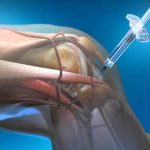 Hyaluronic acid injections are a medical treatment used for certain patients with knee osteoarthritis.
Hyaluronic acid is a substance naturally found in the synovial fluid that surrounds and lubricates healthy joints. This fluid helps the knee move smoothly and provides cushioning during everyday activities such as walking, standing, and climbing stairs.
In patients with osteoarthritis, changes in the joint and its surrounding tissues can contribute to pain, stiffness, and reduced mobility.
Viscosupplementation involves injecting a specially formulated hyaluronic acid preparation directly into the knee joint.
The treatment is intended to supplement the joint’s natural lubricating fluid and may relieve symptoms for some patients.
However, hyaluronic acid injections do not rebuild damaged cartilage or cure osteoarthritis. Clinical research has found inconsistent benefits, and major medical guidelines do not recommend their routine use for knee osteoarthritis.
Your healthcare provider can help determine whether this treatment is appropriate for your particular condition.
How Do Hyaluronic Acid Injections Work?
Healthy knee joints contain synovial fluid that helps lubricate and cushion the joint surfaces.
Hyaluronic acid is one of the components responsible for the fluid’s lubricating properties.
When hyaluronic acid is injected into an osteoarthritic knee, the goal is to supplement this fluid and potentially improve joint movement and comfort.
Some patients report improvements in:
- Knee pain during everyday activities
- Joint stiffness and discomfort
- Walking and functional mobility
- Ability to participate in appropriate exercise
- Comfort when performing weight-bearing activities
Results vary considerably between patients. Some people experience temporary symptom improvement, while others receive little or no noticeable benefit.
Hyaluronic acid injections are not intended to reverse arthritis or permanently restore normal knee function.
Who May Be a Candidate for Hyaluronic Acid Knee Injections?
Hyaluronic acid injections may be discussed with certain patients who have symptomatic knee osteoarthritis, particularly when other conservative treatments have not provided adequate relief.
Factors your provider may consider include:
- A confirmed diagnosis of knee osteoarthritis
- Persistent knee pain or stiffness
- Difficulty walking, climbing stairs, or performing everyday activities
- Previous response to conservative treatment
- The severity of joint degeneration
- Medical history and other health conditions
- Personal treatment goals and preferences
Not everyone with knee arthritis is a candidate for viscosupplementation.
Patients with other causes of knee pain, including ligament injuries, meniscus tears, infections, or inflammatory joint conditions, may require different treatments.
At Ohio Healthcare Partners, a thorough evaluation helps determine the source of your symptoms before we make treatment recommendations.
What Happens During a Hyaluronic Acid Knee Injection?
A hyaluronic acid knee injection is typically performed as an outpatient medical procedure.
Although the exact process depends on the product and the patient’s medical needs, treatment generally involves the following steps.
1. Knee Evaluation
Your healthcare provider reviews your symptoms, medical history, previous treatments, and examination findings to determine whether viscosupplementation is appropriate.
2. Preparing the Knee
The skin around the injection site is cleaned using an antiseptic solution to reduce the risk of infection.
3. Administering the Injection
A healthcare provider injects the hyaluronic acid preparation directly into the knee joint using a sterile needle.
Depending on the clinical circumstances, additional techniques may be used to assist with accurate placement.
4. Post-Injection Instructions
After the procedure, patients receive instructions about activity restrictions, possible side effects, and when to contact their healthcare provider.
Patients are commonly advised to avoid strenuous activity or prolonged weight-bearing exercise for approximately 48 hours following an injection, although instructions may vary.
How Many Hyaluronic Acid Knee Injections Are Needed?
The number of injections depends on the specific hyaluronic acid product selected.
Some treatment protocols involve a single injection, while others require a series of injections administered over several weeks.
Your healthcare provider will explain the recommended schedule, potential benefits, limitations, and follow-up care before treatment begins.
How Long Do Hyaluronic Acid Knee Injections Last?
The effects of viscosupplementation vary from patient to patient.
Some patients who respond to treatment may experience symptom improvement lasting several months. Others may notice only limited improvement or no meaningful relief.
Unlike certain medications that provide relatively rapid symptom relief, hyaluronic acid injections may take several weeks to produce a noticeable response.
The duration and degree of relief depend on factors such as osteoarthritis severity, the injection product, and individual patient characteristics.
Hyaluronic acid injections are not a permanent solution for knee arthritis.
Your provider can discuss realistic expectations and whether additional conservative treatment may help support your mobility and function.
Are Hyaluronic Acid Knee Injections Safe?
Hyaluronic acid injections are generally well tolerated when administered appropriately, but all medical procedures carry potential risks.
Possible side effects include:
- Temporary pain or discomfort at the injection site
- Mild swelling
- Joint stiffness
- Warmth or tenderness around the knee
- Temporary inflammation or fluid accumulation
Less commonly, patients may experience significant inflammatory reactions, allergic reactions, or joint infection.
Contact your healthcare provider if you experience worsening pain, significant swelling, redness, warmth, or other concerning symptoms following an injection. Fever or severe symptoms require prompt medical evaluation.
Your provider will review potential risks, precautions, and alternatives before recommending treatment.
Other Non-Surgical Knee Arthritis Treatments in Fairlawn
Hyaluronic acid injections are only one potential component of managing knee osteoarthritis.
At Ohio Healthcare Partners, treatment recommendations are based on each patient’s diagnosis, symptoms, physical limitations, and functional goals.
Depending on your condition, a comprehensive knee arthritis management plan may include:
Physical Rehabilitation
Medically directed rehabilitation may help improve strength, flexibility, joint mobility, and functional movement.
Therapeutic Exercise
Appropriate strengthening and mobility exercises can help support the muscles surrounding the knee and improve everyday function.
Knee Bracing
Certain knee braces may provide additional support or help redistribute forces across the joint in appropriately selected patients.
Medical Management
Your provider may discuss appropriate medications, other injection options, or additional conservative approaches based on your medical history and clinical needs.
Lifestyle and Activity Modifications
Adjustments to daily activities, low-impact exercise, and weight management when appropriate may help reduce stress on the knee and support long-term joint health.
For many patients, exercise and rehabilitation remain important first-line treatments for knee osteoarthritis.
Why Choose Ohio Healthcare Partners for Knee Arthritis Care?
At Ohio Healthcare Partners in Fairlawn, Ohio, we understand how persistent knee pain can affect your ability to work, exercise, walk comfortably, and enjoy everyday life.
Our approach emphasizes individualized care rather than assuming that one treatment works for everyone.
Patients benefit from:
- Comprehensive evaluations: Identifying potential causes of knee pain before recommending treatment.
- Individualized treatment planning: Considering your diagnosis, medical history, symptoms, and functional goals.
- Non-surgical treatment options: Exploring appropriate conservative approaches to knee arthritis management.
- Coordinated healthcare: Incorporating medical care, chiropractic care, and physical rehabilitation when clinically appropriate.
- Convenient Fairlawn location: Serving patients throughout Akron, Fairlawn, and surrounding Summit County communities.
Our goal is to help patients understand their knee arthritis treatment options and make informed decisions about their care.
Frequently Asked Questions About Hyaluronic Acid Knee Injections
Are hyaluronic acid injections the same as knee gel injections?
Yes. Hyaluronic acid injections are commonly called knee gel injections or viscosupplementation. These treatments involve injecting a hyaluronic acid preparation into the knee joint to help manage osteoarthritis symptoms in certain patients.
Do hyaluronic acid injections hurt?
Patients may experience temporary discomfort during the injection. Some also experience mild soreness, swelling, or stiffness afterward. Your healthcare provider can explain what to expect and how to manage temporary discomfort.
Can hyaluronic acid injections prevent knee replacement surgery?
Hyaluronic acid injections have not been proven to prevent or reliably delay knee replacement surgery. Some patients experience temporary symptom relief, but the treatment does not reverse joint damage or stop osteoarthritis progression.
Are hyaluronic acid injections better than cortisone injections?
These injections work differently. Corticosteroid injections are intended to reduce inflammation and may provide short-term relief, while hyaluronic acid injections aim to supplement joint lubrication. Research generally provides stronger support for short-term corticosteroid injections than for routine hyaluronic acid use. Your provider can discuss the benefits and risks of each option.
Are hyaluronic acid injections covered by insurance?
Coverage varies by insurance plan, medical necessity criteria, specific product, and authorization requirements. Some insurers restrict or exclude coverage. Contact your insurance provider or Ohio Healthcare Partners to discuss applicable coverage and verification requirements.
Can I walk after a hyaluronic acid knee injection?
Most patients can walk following the procedure, but strenuous exercise, running, heavy lifting, or prolonged weight-bearing activities may need to be limited for approximately 48 hours. Follow the specific instructions provided by your healthcare professional.
Can hyaluronic acid injections treat other types of knee injuries?
Hyaluronic acid injections are primarily used for symptoms associated with knee osteoarthritis. They are not a standard treatment for ligament tears, acute meniscus injuries, or other traumatic knee conditions. An examination is necessary to identify the cause of your knee pain.
Where can I get evaluated for hyaluronic acid knee injections near Akron, Ohio?
Ohio Healthcare Partners in Fairlawn provides knee pain and osteoarthritis evaluations for patients in the greater Akron area. Contact the office to discuss whether hyaluronic acid injections are currently available and appropriate for your condition.
Schedule a Knee Arthritis Evaluation in Fairlawn, Ohio
Persistent knee pain doesn’t have to go unevaluated until it significantly interferes with your daily activities.
Whether you’re experiencing stiffness, swelling, difficulty climbing stairs, or discomfort when walking, understanding the cause of your symptoms is an important first step toward appropriate treatment.
At Ohio Healthcare Partners, our healthcare providers help patients explore non-surgical treatment options for knee osteoarthritis, including whether hyaluronic acid injections may be appropriate.
Ohio Healthcare Partners
3562 Ridge Park Drive, Suite D-1
Fairlawn, OH 44333
Phone: 330-664-1670
Serving Fairlawn, Akron, Copley, Bath, Montrose, and surrounding Summit County communities.
Contact Ohio Healthcare Partners today to schedule a knee evaluation and learn more about your treatment options.