
Chronic Pain Management in Fairlawn, Ohio
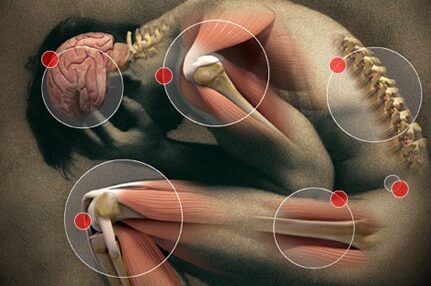
Non-Surgical Treatment for Chronic Back, Neck, Joint, and Musculoskeletal Pain
Living with chronic pain can affect nearly every part of your daily life. Persistent discomfort can make it difficult to work, sleep, exercise, walk comfortably, or enjoy activities that were once part of your normal routine.
At Ohio Healthcare Partners in Fairlawn, Ohio, we provide individualized, non-surgical care for patients experiencing chronic back pain, neck pain, joint pain, sciatica, and other musculoskeletal conditions.
Whether your symptoms developed gradually, followed a car accident or workplace injury, or are associated with an ongoing medical condition, our healthcare team works to identify potential causes of your pain and develop a treatment plan based on your individual needs.
Our integrated approach may combine medical care, chiropractic treatment, physical rehabilitation, therapeutic exercise, and other appropriate conservative treatments to help manage symptoms, improve mobility, and support everyday function.
Ohio Healthcare Partners serves patients throughout Fairlawn, Akron, Copley, Bath, Montrose, and surrounding communities in Summit County, Ohio.
What Is Chronic Pain?
Chronic pain is pain that persists or repeatedly returns over an extended period, generally lasting longer than three months.
Unlike acute pain, which often develops suddenly following an injury or illness, chronic pain may continue long after the initial injury has healed. It can also develop gradually because of an ongoing musculoskeletal condition or other health factors.
Chronic pain may affect one area of the body or involve multiple locations.
Common symptoms include:
- Persistent aching or soreness
- Sharp, stabbing, or shooting pain
- Burning sensations
- Muscle stiffness or tightness
- Muscle spasms
- Joint pain and tenderness
- Numbness or tingling
- Reduced range of motion
- Pain radiating into the arms or legs
- Discomfort that worsens with movement or activity
- Difficulty sleeping because of pain
The severity of chronic pain varies from person to person. Some patients experience intermittent discomfort, while others have persistent symptoms that interfere with everyday activities.
An accurate evaluation is an important first step toward identifying potential causes and determining appropriate treatment options.
What Causes Chronic Pain?
Chronic pain can develop for many reasons, and some patients experience symptoms associated with more than one condition.
Common causes of chronic musculoskeletal pain include:
- Degenerative disc disease: Changes in spinal discs that may contribute to back or neck discomfort.
- Osteoarthritis: Degenerative changes in the joints that can cause pain, stiffness, and reduced mobility.
- Herniated or bulging discs: Disc conditions that may irritate nearby nerves and cause localized or radiating pain.
- Sciatica: Pain associated with irritation or compression of nerves contributing to the sciatic nerve.
- Muscle and soft tissue injuries: Persistent symptoms involving muscles, tendons, ligaments, and surrounding structures.
- Joint injuries: Previous or ongoing conditions affecting the knees, hips, shoulders, elbows, or other joints.
- Repetitive stress injuries: Conditions associated with repeated movements, lifting, bending, or other physical demands.
- Car accident injuries: Musculoskeletal injuries that may cause symptoms lasting beyond the initial recovery period.
- Workplace injuries: Injuries resulting from accidents, repetitive movements, or physically demanding job responsibilities.
Not all chronic pain has a single identifiable structural cause. Pain can also be influenced by changes in the nervous system and other biological, psychological, and social factors.
Our providers consider your symptoms, medical history, physical examination findings, and functional limitations when developing treatment recommendations.
Chronic Back and Neck Pain Treatment
Chronic back and neck pain are among the common reasons patients seek chiropractic and musculoskeletal care.
Persistent spinal discomfort may be associated with arthritis, degenerative disc changes, muscle strain, previous injuries, nerve irritation, or other conditions.
Symptoms may include:
- Persistent lower back pain
- Upper back discomfort
- Neck pain and stiffness
- Muscle tightness or spasms
- Difficulty bending or turning
- Pain during prolonged sitting or standing
- Headaches associated with neck discomfort
- Pain radiating into the shoulders, arms, or legs
- Numbness or tingling
At Ohio Healthcare Partners, we evaluate chronic back and neck pain to help identify potential contributing factors and determine whether conservative treatment may be appropriate.
Depending on your condition, care may include chiropractic treatment, physical rehabilitation, therapeutic exercise, or other medically appropriate services.
Chronic Knee and Joint Pain
Persistent joint pain can interfere with walking, climbing stairs, lifting, exercising, and performing routine activities.
Chronic pain may affect the:
- Knees
- Hips
- Shoulders
- Elbows
- Wrists
- Hands
- Ankles
Common causes include osteoarthritis, previous injuries, tendon or ligament conditions, repetitive stress, and other musculoskeletal disorders.
For patients experiencing knee osteoarthritis, treatment options may include physical rehabilitation, therapeutic exercise, knee bracing, and certain joint injections when medically appropriate.
Hyaluronic acid injections, also known as viscosupplementation, may be considered for selected patients, although research has found inconsistent benefits, and major clinical guidelines do not routinely recommend them.
Treatment recommendations depend on the affected joint, underlying diagnosis, symptom severity, and individual patient needs.
Sciatica and Chronic Nerve Pain
Sciatica is a common cause of radiating pain that may travel from the lower back through the buttock and into one or both legs.
It can occur when a spinal nerve contributing to the sciatic nerve becomes irritated or compressed.
Symptoms may include:
- Lower back pain
- Buttock discomfort
- Shooting or burning pain down the leg
- Numbness or tingling
- Muscle weakness
- Pain that worsens with certain movements or positions
Conditions such as herniated discs, spinal stenosis, and degenerative spinal changes may contribute to sciatica symptoms.
At Ohio Healthcare Partners, our providers evaluate persistent radiating pain and neurological symptoms to determine whether chiropractic care, physical rehabilitation, or additional medical assessment is appropriate.
Progressive weakness or other serious neurological symptoms require prompt medical attention.
Chronic Pain After a Car Accident
Car accidents can cause injuries that result in persistent pain long after the initial collision.
Even when symptoms appear mild immediately following an accident, some musculoskeletal injuries may produce ongoing discomfort or functional limitations.
Common areas affected include:
- Neck and cervical spine
- Upper and lower back
- Shoulders
- Hips
- Knees
- Muscles, tendons, and ligaments
- Other joints and extremities
Whiplash-associated disorders, disc injuries, soft tissue injuries, and other musculoskeletal conditions may contribute to prolonged symptoms.
At Ohio Healthcare Partners in Fairlawn, our healthcare team evaluates accident-related injuries to identify potential causes of persistent pain and develop appropriate treatment recommendations.
If you continue experiencing pain, stiffness, reduced mobility, or other symptoms after a motor vehicle accident, an evaluation may help determine your next steps.
Chronic Pain After a Workplace Injury
Workplace injuries do not always resolve quickly.
Some employees experience persistent pain following a single accident, while others develop symptoms gradually because of repetitive physical demands.
Common contributing activities include:
- Repetitive lifting and carrying
- Frequent bending or twisting
- Prolonged standing
- Repetitive gripping or reaching
- Kneeling and squatting
- Operating machinery
- Physically demanding work activities
Ohio Healthcare Partners has Ohio Bureau of Workers’ Compensation (BWC)-certified providers who evaluate and treat qualifying work-related musculoskeletal injuries.
Treatment and coverage depend on the patient’s diagnosis, accepted claim conditions, and applicable BWC authorization requirements.
Our goal is to help injured workers understand their conditions and receive appropriate care based on their medical needs.
How Is Chronic Pain Diagnosed?
Effective chronic pain management begins with understanding your symptoms and how they affect your daily activities.
At Ohio Healthcare Partners, your provider may review:
- Current symptoms and pain patterns
- Medical history
- Previous injuries or accidents
- Previous treatments and their effectiveness
- Activities that aggravate or relieve symptoms
- Mobility and functional limitations
- Medications and relevant health conditions
- Personal treatment goals
Depending on your condition, a physical examination may include an assessment of:
- Range of motion
- Muscle strength
- Flexibility
- Joint function
- Posture and movement patterns
- Areas of tenderness
- Orthopedic findings
- Neurological function
When medically necessary, diagnostic imaging or additional testing may be recommended to help evaluate certain conditions.
If specialized imaging, neurological evaluation, or other diagnostic services are needed, your provider may coordinate an appropriate referral.
Not every patient with chronic pain requires imaging. Diagnostic decisions depend on symptoms, examination findings, and clinical indications.
Non-Surgical Chronic Pain Treatment in Fairlawn
At Ohio Healthcare Partners, our approach to chronic pain management emphasizes individualized, conservative treatment.
Rather than assuming every patient with similar symptoms needs the same therapy, our providers consider the underlying diagnosis, medical history, physical examination findings, and functional goals.
Depending on your condition, treatment may incorporate:
- Chiropractic care
- Medically directed physical rehabilitation
- Therapeutic exercise
- Strengthening and mobility programs
- Joint injections when medically appropriate
- Knee bracing
- Medical evaluation and management
- Activity modifications
- Other appropriate conservative treatment options
The goal is not to promise a cure for every chronic pain condition.
Instead, treatment focuses on managing symptoms, improving physical function, maintaining mobility, and helping patients participate in everyday activities whenever possible.
Physical Rehabilitation for Chronic Pain
When pain continues for weeks or months, people may naturally begin avoiding movements or activities that cause discomfort.
Over time, reduced physical activity can contribute to muscle weakness, decreased flexibility, limited joint mobility, and changes in functional movement.
Medically directed physical rehabilitation may help address these limitations.
Depending on your condition, rehabilitation may focus on:
- Improving muscle strength
- Increasing flexibility
- Restoring range of motion
- Supporting joint stability
- Improving posture and movement patterns
- Building tolerance for everyday activities
- Supporting a gradual return to work or recreational activities
Rehabilitation programs are individualized and may be adjusted according to your symptoms, abilities, and progress.
For many chronic musculoskeletal conditions, appropriate movement and exercise are important components of long-term management.
Chiropractic Care for Chronic Musculoskeletal Pain
Chiropractic care may be appropriate for certain patients experiencing chronic pain involving the spine, joints, and surrounding musculoskeletal structures.
At Ohio Healthcare Partners, we consider chiropractic treatment based on the patient’s diagnosis, examination findings, medical history, and overall treatment goals.
Depending on the condition, chiropractic care may be incorporated alongside physical rehabilitation, therapeutic exercise, and other conservative treatments.
Not every chronic pain condition is appropriate for spinal manipulation or chiropractic treatment. Our providers consider clinical findings and potential contraindications when determining suitable care.
Chronic Pain Management Without Surgery
Many patients experiencing chronic musculoskeletal pain can benefit from conservative treatment without undergoing surgery.
The most appropriate treatment depends on the underlying condition, symptom severity, previous treatment response, and functional limitations.
Non-surgical management may help patients:
- Improve mobility and flexibility
- Increase strength
- Manage pain during everyday activities
- Improve tolerance for walking and exercise
- Address functional limitations
- Maintain greater independence
Some conditions may require additional medical evaluation or consultation with an orthopedic, neurological, or pain management specialist.
Ohio Healthcare Partners emphasizes appropriate care and referrals based on each patient’s needs.
Conditions We Treat
Ohio Healthcare Partners evaluates and treats a variety of musculoskeletal conditions that may contribute to acute or chronic pain, including:
- Back and neck pain
- Knee pain and knee osteoarthritis
- Hip and sacroiliac (SI) joint pain
- Shoulder pain
- Elbow, wrist, and hand pain
- Sciatica and radiating leg pain
- Slipped, bulging, and herniated discs
- Degenerative disc conditions
- Muscle strains and soft tissue injuries
- Joint stiffness and mobility limitations
- Repetitive motion injuries
- Car accident injuries
- Work-related injuries
An evaluation helps determine whether the services available at Ohio Healthcare Partners are appropriate for your particular condition.
When Should You See a Doctor for Chronic Pain?
Consider scheduling an evaluation if:
- Pain has lasted longer than expected
- Symptoms repeatedly return
- Pain is becoming more frequent or severe
- Discomfort interferes with work or sleep
- Walking or exercising has become difficult
- You experience persistent joint stiffness
- Your range of motion has decreased
- Pain prevents you from enjoying normal activities
- You experience recurring numbness or tingling
- Pain travels into an arm or leg
- Symptoms have continued following a car accident or workplace injury
Seek immediate medical attention for serious symptoms such as new loss of bowel or bladder control, numbness around the groin or saddle area, or rapidly progressive weakness.
Severe pain following significant trauma, or pain accompanied by fever or other concerning symptoms, also requires prompt medical evaluation.
Frequently Asked Questions About Chronic Pain Management
What is considered chronic pain?
Chronic pain generally refers to pain that persists or repeatedly returns for longer than three months. It may develop following an injury, result from an ongoing medical condition, or involve multiple contributing factors.
Where can I get chronic pain treatment near Akron, Ohio?
Ohio Healthcare Partners provides non-surgical musculoskeletal care in Fairlawn, Ohio, for patients throughout the greater Akron area. Services may include chiropractic care, physical rehabilitation, medical evaluation, and other conservative treatment options.
Can chronic pain be treated without surgery?
Yes. Many chronic musculoskeletal conditions can be managed with non-surgical treatments, including therapeutic exercise, physical rehabilitation, chiropractic care, bracing, and certain medical treatments. Recommendations depend on the patient’s diagnosis and individual needs.
Can chiropractic care help with chronic back pain?
Chiropractic care may help certain patients experiencing chronic musculoskeletal back pain. Treatment suitability depends on the underlying condition, medical history, examination findings, and potential contraindications.
Can physical rehabilitation help chronic pain?
Physical rehabilitation may help improve strength, flexibility, mobility, and physical function in patients with certain chronic musculoskeletal conditions. Programs are tailored to individual needs and functional goals.
Does Ohio Healthcare Partners offer injections for chronic pain?
Joint injections may be considered for certain musculoskeletal conditions when medically appropriate. Contact Ohio Healthcare Partners to confirm which injection therapies are currently available and whether they may be suitable for your diagnosis.
Does chronic pain always require prescription medication?
No. Chronic pain management does not always require prescription medication. Depending on the underlying condition, conservative approaches such as rehabilitation, exercise, chiropractic care, and activity modifications may be appropriate.
Can a car accident cause chronic pain?
Yes. Some injuries sustained during motor vehicle collisions can lead to persistent symptoms, including neck pain, back pain, joint discomfort, and soft tissue pain. An evaluation can help determine whether an accident-related condition may be contributing to ongoing symptoms.
Does Ohio Healthcare Partners treat chronic pain from workplace injuries?
Ohio Healthcare Partners has BWC-certified providers who evaluate and treat qualifying work-related musculoskeletal injuries. Treatment depends on the patient’s diagnosis, accepted claim conditions, and applicable authorization requirements.
Can chronic pain go away completely?
Some patients experience significant improvement or symptom resolution, while others require ongoing management. Outcomes depend on the underlying condition, overall health, treatment response, and other individual factors.
Chronic Pain Management in Fairlawn and Akron, Ohio
You don’t have to ignore persistent pain or assume that nothing can be done to help manage your symptoms.
Understanding what may be contributing to your discomfort is an important first step toward finding appropriate treatment options.
At Ohio Healthcare Partners, our healthcare team provides individualized care for patients experiencing chronic back pain, neck pain, joint pain, sciatica, and other musculoskeletal conditions.
Our approach combines appropriate medical care, chiropractic services, physical rehabilitation, and conservative treatment options to help patients manage symptoms and improve everyday function.
Ohio Healthcare Partners
3562 Ridge Park Drive, Suite D-1
Fairlawn, OH 44333
Phone: 330-664-1670
Serving Fairlawn, Akron, Copley, Bath, Montrose, and surrounding Summit County communities.
Contact Ohio Healthcare Partners today to schedule a chronic pain evaluation and learn which treatment options may be appropriate for you.