
Concussion Testing and Evaluation in Fairlawn, Ohio
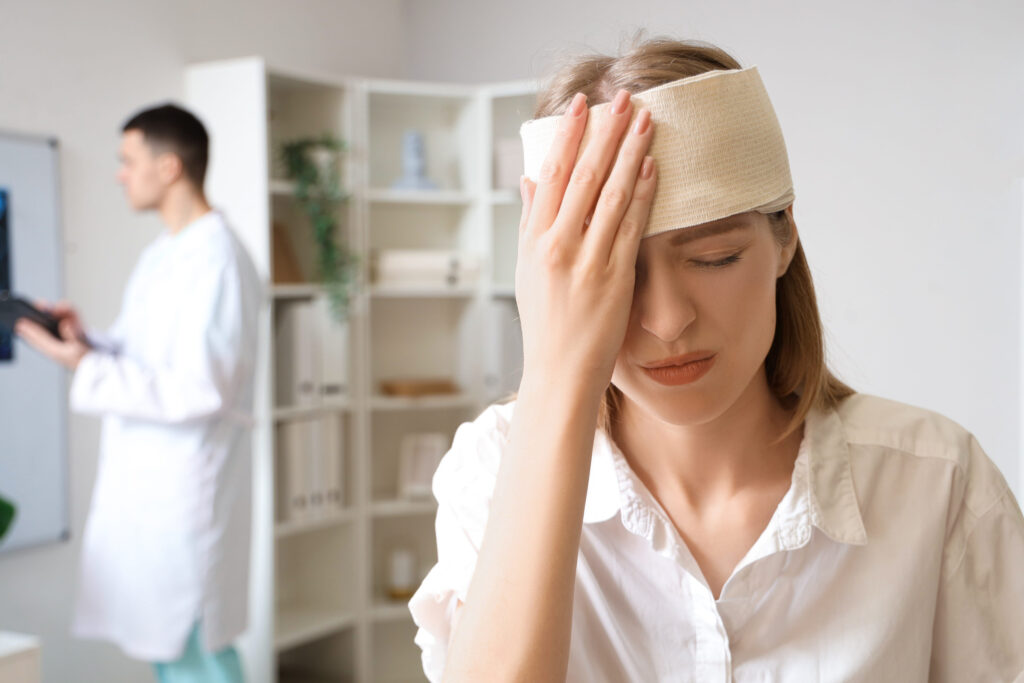
Concussion and Mild Traumatic Brain Injury Evaluations at Ohio Healthcare Partners
A concussion can happen in an instant, but its symptoms may affect your health, concentration, balance, and daily activities for days, weeks, or longer.
Whether you’ve experienced a car accident, workplace injury, slip and fall, or other head trauma, recognizing the signs of a concussion and receiving an appropriate medical evaluation are important steps toward protecting your health.
At Ohio Healthcare Partners in Fairlawn, Ohio, our healthcare team evaluates patients experiencing symptoms that may be associated with concussions and mild traumatic brain injuries (mTBI).
Concussions aren’t always accompanied by visible injuries, and you don’t have to lose consciousness to experience one. Symptoms can also develop or become more noticeable hours or days after an injury.
Our approach focuses on identifying potential concussion symptoms, assessing neurological and functional concerns, and determining appropriate next steps for your care.
We serve patients throughout Fairlawn, Akron, Copley, Bath, Montrose, and surrounding Summit County communities.
What Is a Concussion?
A concussion is a type of mild traumatic brain injury (mTBI) caused by a bump, blow, or jolt to the head or body that causes the brain to move rapidly within the skull.
This sudden movement can temporarily disrupt normal brain function and lead to physical, cognitive, emotional, and sleep-related symptoms.
Concussions commonly occur following:
- Car, truck, and motorcycle accidents
- Workplace accidents
- Slips, trips, and falls
- Sports and recreational injuries
- Bicycle and pedestrian accidents
- Direct blows to the head
- Sudden acceleration or deceleration injuries
A concussion may occur even when there is no direct impact to the head. For example, the sudden forces involved in a motor vehicle collision may cause a concussion without the head striking a window, steering wheel, or other surface.
Not all concussions involve loss of consciousness. Many people remain awake and alert following the injury, which can make symptoms easier to overlook.
Common Signs and Symptoms of a Concussion
Concussion symptoms vary from person to person and may appear immediately or develop gradually following an injury.
Some symptoms are subtle and may initially be mistaken for stress, fatigue, or ordinary soreness after an accident.
Physical Symptoms
- Headaches or pressure in the head
- Dizziness or lightheadedness
- Nausea or vomiting
- Blurred or double vision
- Sensitivity to light or noise
- Balance problems
- Fatigue or unusual tiredness
- Neck pain associated with the injury
Cognitive Symptoms
- Difficulty concentrating
- Memory problems
- Confusion or feeling mentally foggy
- Slower thinking or processing information
- Difficulty remembering events surrounding the injury
- Trouble completing familiar tasks
Emotional and Behavioral Symptoms
- Irritability
- Anxiety
- Unusual emotional reactions
- Mood changes
- Increased frustration
- Feeling more emotional than usual
Sleep-Related Symptoms
- Sleeping more than usual
- Sleeping less than usual
- Difficulty falling asleep
- Changes in normal sleep patterns
- Persistent fatigue despite adequate rest
You do not need to experience every symptom to have a concussion.
If you’ve experienced head trauma or a significant jolt during an accident, a timely medical evaluation can help determine whether your symptoms may be related to a concussion or another injury.
Can You Have a Concussion Without Hitting Your Head?
Yes. A concussion can occur without a direct blow to the head.
During a car accident, fall, or other sudden-impact event, rapid acceleration and deceleration can cause the brain to move within the skull.
This movement may disrupt normal brain function even if your head never contacts another object.
For example, a person involved in a rear-end collision may experience a sudden forward-and-backward movement of the head and neck. Depending on the forces involved, this can result in a concussion, a cervical spine injury, or both.
Because concussion symptoms and whiplash symptoms can overlap, a comprehensive evaluation is important after a collision.
Concussions After Car Accidents in Akron and Fairlawn
Motor vehicle accidents are a common cause of traumatic brain injuries, including concussions.
Even relatively low-speed collisions can produce sudden forces that affect the head and neck. However, the speed or visible severity of a crash alone cannot determine whether a concussion occurred.
Following a car accident, symptoms that may indicate a concussion include:
- Headaches that develop after the collision
- Dizziness or balance problems
- Difficulty concentrating
- Memory problems
- Blurred vision
- Increased sensitivity to light
- Unusual fatigue
- Confusion or mental fogginess
Some people initially focus on neck pain, back pain, or other physical injuries and don’t recognize possible concussion symptoms until later.
At Ohio Healthcare Partners, evaluating accident-related symptoms helps our providers identify potential concerns and determine whether additional medical assessment or specialized care is necessary.
Workplace Concussions and Head Injuries
Workplace accidents can also cause concussions and mild traumatic brain injuries.
These injuries may occur in construction, manufacturing, warehousing, transportation, healthcare, and other occupational settings.
Common causes include:
- Falls from ladders or elevated surfaces
- Slipping on wet or uneven flooring
- Being struck by falling objects
- Workplace vehicle collisions
- Equipment-related accidents
- Sudden impacts involving the head or body
A concussion may interfere with an employee’s ability to concentrate, maintain balance, operate equipment, or perform other job responsibilities safely.
Ohio Healthcare Partners has BWC-certified providers who evaluate and treat qualifying work-related injuries, subject to applicable claim and authorization requirements.
If you experience a suspected concussion at work, prompt medical evaluation is important for determining appropriate care and work restrictions.
How Is a Concussion Diagnosed?
There is no single test that can independently diagnose every concussion.
A concussion diagnosis generally involves reviewing the circumstances of the injury, evaluating symptoms, performing a clinical examination, and assessing neurological function.
Depending on the patient’s symptoms and medical history, a concussion evaluation may include several components.
Medical History and Injury Assessment
Your healthcare provider may ask questions about:
- How and when the injury occurred
- Whether your head was struck
- Whether you lost consciousness
- Memory gaps surrounding the injury
- Symptoms experienced immediately afterward
- Changes in symptoms since the accident
- Previous concussions or neurological conditions
- Medications and relevant medical history
Neurological Examination
A neurological examination may assess aspects of brain and nervous system function, including:
- Alertness and orientation
- Coordination
- Balance
- Reflexes
- Eye movements
- Muscle strength
- Sensation
- Other neurological findings
Cognitive and Memory Assessment
Concussions can affect attention, memory, concentration, and information processing.
Clinical assessment may include questions or structured tasks designed to evaluate these functions.
Balance and Functional Assessment
Because concussions can affect balance and coordination, providers may evaluate walking, stability, and other functional movements when medically appropriate.
Additional Diagnostic Testing or Referral
Depending on the patient’s symptoms and examination findings, additional testing or referral to an appropriate medical specialist may be necessary.
CT scans and MRI studies are not routinely used to diagnose uncomplicated concussions. However, imaging may be necessary when a healthcare provider suspects bleeding, fractures, or another serious injury.
Concussion testing is a clinical process, not simply a single scan or computerized test.
When Is a Concussion a Medical Emergency?
Certain symptoms following a head injury may indicate a more serious traumatic brain injury or another medical emergency.
Call 911 or seek immediate emergency medical care if you experience:
- A headache that becomes progressively worse
- Repeated vomiting
- Seizures or convulsions
- Increasing confusion or unusual behavior
- Difficulty waking up or staying awake
- Slurred speech
- Weakness or numbness
- Significant loss of coordination
- One pupil becoming larger than the other
- Loss of consciousness or a reduced level of consciousness
These symptoms require emergency evaluation rather than a routine office appointment.
Patients taking blood-thinning medications should also seek prompt medical assessment following a head injury because of the increased risk of bleeding.
What Happens After a Concussion Evaluation?
The appropriate next steps depend on your symptoms, examination findings, medical history, and the circumstances of the injury.
If a concussion is suspected or diagnosed, recommendations may include:
- Monitoring symptoms and neurological changes
- Relative physical and cognitive rest during the first 24–48 hours
- Gradually returning to appropriate everyday activities
- Avoiding activities that increase the risk of another head injury
- Temporary adjustments to work, school, or exercise
- Follow-up medical evaluations
- Referral for specialized concussion care when indicated
Prolonged complete bed rest is generally not recommended for uncomplicated concussions. Instead, current guidance supports a gradual return to light activities as tolerated after an initial period of relative rest.
Patients should follow individualized medical instructions, especially if symptoms persist or worsen.
How Long Does It Take to Recover From a Concussion?
Recovery time varies considerably.
Many people experience substantial improvement within several weeks, while others have symptoms that continue longer.
Factors that may influence recovery include:
- Severity and type of symptoms
- Previous concussion history
- Other injuries sustained during the accident
- Preexisting medical conditions
- Sleep disturbances
- Individual response to activity
- Access to appropriate follow-up care
Persistent symptoms may include headaches, dizziness, fatigue, difficulty concentrating, or sensitivity to light and noise.
Patients whose symptoms do not improve as expected may benefit from additional evaluation or referral to a clinician experienced in concussion management.
Concussion Symptoms and Neck Injuries After an Accident
Concussions and cervical spine injuries can occur during the same accident.
Both conditions may cause symptoms such as:
- Headaches
- Dizziness
- Neck discomfort
- Difficulty concentrating
- Balance problems
- Reduced tolerance for everyday activities
However, these symptoms can have different underlying causes.
For example, headaches after a car accident may be related to a concussion, a cervical spine injury, or another medical condition.
At Ohio Healthcare Partners, evaluating musculoskeletal and neurological symptoms helps our healthcare providers determine whether additional testing, treatment, or a specialist referral is appropriate.
Identifying the source of symptoms is important because treatment for a neck injury is not the same as treatment for a concussion.
Why Choose Ohio Healthcare Partners for Concussion Evaluations?
At Ohio Healthcare Partners in Fairlawn, we recognize that injuries following a car accident, workplace incident, or fall may involve more than visible physical damage.
Our patient-centered approach emphasizes identifying potential injuries, understanding symptoms, and coordinating appropriate care.
Patients can expect:
- Individualized evaluations: Reviewing injury history, symptoms, and relevant clinical findings.
- Attention to accident-related injuries: Considering possible concussion symptoms alongside neck, back, and other musculoskeletal complaints.
- Coordinated medical care: Determining when additional diagnostic services or specialist referrals may be needed.
- Work injury evaluations: BWC-certified providers for qualifying Ohio workplace injury claims.
- Convenient local care: Serving patients throughout Fairlawn, Akron, and surrounding Summit County communities.
Our goal is to help patients understand their symptoms, receive appropriate evaluation, and make informed decisions about their healthcare.
Frequently Asked Questions About Concussion Testing
Where can I get concussion testing near Akron, Ohio?
Ohio Healthcare Partners in Fairlawn evaluates patients with accident-related injuries and symptoms that may indicate a concussion. Contact our office to discuss the concussion assessment services currently available and whether your symptoms require emergency or specialized care.
Can you have a concussion without losing consciousness?
Yes. Most concussions do not involve a loss of consciousness. A person may remain awake and alert while experiencing headaches, dizziness, confusion, memory problems, or other concussion symptoms.
How soon should I be evaluated after a possible concussion?
A suspected concussion should receive prompt medical evaluation, ideally as soon as possible after the injury. Serious warning signs require immediate emergency care.
Can concussion symptoms appear days after a car accident?
Yes. Some symptoms may not become noticeable until hours or days after an accident. Headaches, difficulty concentrating, fatigue, dizziness, and sleep disturbances can develop or become more apparent after the initial injury.
Will a concussion show up on an MRI or CT scan?
Not necessarily. Standard CT and MRI scans often appear normal in patients with concussions. These imaging studies are primarily used when providers need to evaluate for bleeding, fractures, or other structural injuries.
Is concussion testing painful?
Most clinical concussion assessments are noninvasive and may involve questions, neurological examinations, memory or concentration tasks, and balance assessments. The evaluation itself is generally not painful, although some activities may temporarily aggravate symptoms.
Can a concussion affect my ability to work?
Yes. Concussions can affect concentration, memory, balance, reaction time, and other functions needed to perform job responsibilities safely. Your healthcare provider can assess whether temporary work restrictions or accommodations may be appropriate.
Does Ohio Healthcare Partners evaluate workplace head injuries?
Ohio Healthcare Partners has BWC-certified providers who evaluate qualifying work-related injuries. Coverage and treatment depend on the patient’s condition and applicable Ohio BWC claim and authorization requirements.
What happens if concussion symptoms don’t go away?
Persistent symptoms may require additional medical evaluation, specialized rehabilitation, or referral to a clinician experienced in concussion management. Patients should not ignore symptoms that continue, worsen, or interfere with everyday activities.
Schedule an Accident Injury Evaluation in Fairlawn, Ohio
If you’ve experienced a car accident, workplace injury, fall, or other incident and are concerned about possible concussion symptoms, timely medical evaluation is important.
Even when there are no visible injuries, headaches, dizziness, memory problems, and changes in concentration may indicate a need for further assessment.
At Ohio Healthcare Partners, our healthcare team evaluates accident-related injuries and helps patients determine appropriate next steps for their care.
Ohio Healthcare Partners
3562 Ridge Park Drive, Suite D-1
Fairlawn, OH 44333
Phone: 330-664-1670
Serving Fairlawn, Akron, Copley, Bath, Montrose, and surrounding Summit County communities.
Contact Ohio Healthcare Partners today to schedule an accident injury evaluation and discuss your concussion-related concerns.
If you are experiencing severe or worsening neurological symptoms, seek emergency medical care immediately rather than scheduling a routine appointment.